
Revitalize Your Gaze, Rejuvenate Your Look
A Surgical Solution for Heavy Upper Eyelids
Remove excess skin from your upper eyelids for a more open, alert, and youthful appearance — and, when needed, improved field of vision.
Upper Blepharoplasty (Eyelid) at a Glance
-
Overview
Upper blepharoplasty, or upper eyelid surgery, is a cosmetic procedure designed to correct drooping eyelids by removing excess skin and fat. It provides a more open and youthful appearance — and in some cases, improves vision by removing skin that obstructs the field of view.
-
Recovery
Swelling and bruising are expected and gradually subside over one to three weeks. Most patients return to work and social activities within one to two weeks, with a full return to normal activities in about three to four weeks.
-
Results
Results are long-lasting and become fully visible as swelling resolves. Patients often report they look years younger and their eyes feel less heavy.
Upper Blepharoplasty (Eyelid)
Is Upper Eyelid Surgery Right for You?
You are an excellent candidate for upper blepharoplasty if you are bothered by excess, sagging skin that hangs over your upper eyelids. This is a concern for both men and women and can make you look tired, sad, or older than you are. The procedure is also an ideal solution for patients whose vision is being obstructed by the excess skin.
Upper blepharoplasty is often performed alone but can be combined with a brow lift or lower blepharoplasty for a comprehensive rejuvenation of the eye area.
- A more open and alert appearance.
- Elimination of a tired or sad look.
- A more youthful and rested appearance.
- Improved field of vision.
- Smoother upper eyelids with less sagging skin.
- Ability to use makeup on the upper eyelids more easily.
What Do Scars Look Like?
More Details About Upper Blepharoplasty (Eyelid)
An Individualized Approach
Like any cosmetic procedure, eyelid surgery requires an individualized approach. Your plastic surgeon will evaluate your anatomy, the condition you wish to have corrected, what is causing the condition, and your realistic goals for improvement. Eyelid surgery can offer dramatic improvement in the upper and lower eyelids and surrounding regions. This degree of correction can only be achieved surgically — by repositioning muscle, redistributing fat that has settled into the contour, and when necessary, removing excess skin.
Skin resurfacing techniques may be recommended to further improve the tone and surface appearance of skin surrounding the eye — and in some cases, as a substitute for the excision of minimal excess lower eyelid skin. Where a low-positioned brow or crow’s feet at the outer corner of the eyes contributes to the aging appearance of the eyes, a brow lift may be more appropriate — or recommended in conjunction with eyelid surgery.
The Surgical Process
Upper blepharoplasty is an outpatient procedure that can be performed under local anesthesia with sedation, or under general anesthesia. The surgeon makes a discreet incision in the natural crease of the upper eyelid and then carefully removes or repositions the excess fat and skin that causes the drooping. The surgeon’s expertise and precision are paramount to achieving a safe, beautiful, and natural-looking result.
The Dual Benefit of Aesthetics and Function
Upper blepharoplasty offers both aesthetic and functional benefits. While it is a cosmetic procedure that can dramatically improve your appearance, it can also improve your vision. For many patients, the excess skin on their upper eyelids can hang low enough to obstruct their field of vision, making daily tasks difficult. Removing this skin has a transformative impact on both how you look and how you see the world.
What We’ll Ask About at Consultation
At your consultation, we will ask about previous eyelid surgery, LASIK surgery, and any tendencies toward dry eyes. These factors influence both the surgical plan and the recovery experience, so please come prepared with that history.
Surgeon's Notes

When skin is the issue — and when it isn't
Patients often book upper blepharoplasty thinking the answer is skin removal, and sometimes they're right. But just as often, the heavy-eyed appearance is actually a low-set brow pushing skin down onto the eyelid. If I do a blepharoplasty in that situation, I remove a thin band of perfectly healthy upper eyelid skin and the brow descends further to fill the space — the patient ends up needing a brow lift anyway. My consultation always starts with assessing brow position. If the brow is low, we do the brow lift first, then re-evaluate whether any eyelid work is still needed. Often it isn't.
Upper Blepharoplasty (Eyelid)
Upper Blepharoplasty (Eyelid) Recovery & Results Timeline
Please remember this is just a guide for Upper Blepharoplasty (Eyelid) recovery. Every individual and recovery is unique. Your surgeon will provide you with personalized instructions and recovery times after your procedure.
Day 1 – 3
You will experience swelling, bruising, and mild discomfort. Use cold compresses and keep your head elevated to reduce swelling. Pain is minimal and can be managed with tylenol and ibuprofen in most cases.
1 – 2 Weeks
The majority of bruising will have resolved, and you can typically return to work and light, non-strenuous activities.
3 – 4 Weeks
Swelling will continue to subside, and the final contour of your eyelid will begin to take shape.
6 Months – 1 Year
All swelling will have completely resolved, and the final results of your upper blepharoplasty will be fully apparent and stable.
Upper Blepharoplasty (Eyelid) Pricing
We haven’t published a range for this one yet
Financing available through PatientFi →
We publish real price ranges rather than a “starting at” figure, because a starting price gets read as the price. This procedure’s range isn’t posted yet — call us at (360) 823-0860 or request a consultation and we’ll tell you the range before you come in.
Pricing
How much does a Upper Blepharoplasty (Eyelid) cost?
The cost of Upper Blepharoplasty (Eyelid) varies based on the complexity of the procedure, the technique used, and your individual goals. During your consultation, your surgeon will create a personalized treatment plan and provide a detailed quote.
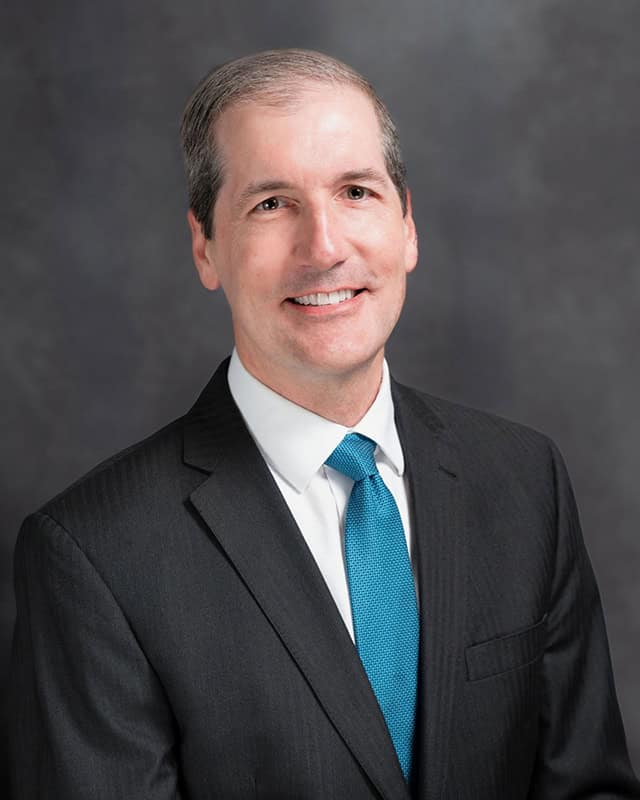
Your Surgeons
Ready to Take the Next Step?
Schedule a consultation to discuss Upper Blepharoplasty (Eyelid) with our board-certified surgeons.